Animal Forensics at the NEAFS/MAAFS Meeting
The past week, the Animal Forensics Institute attending the joint annual meeting of the Northeastern Association of Forensic Scientists (NEAFS) and the Mid-Atlantic Association of Forensic Scientists (MAAFS). We’re based in the Mid-Atlantic but this was a joint meeting in support and celebration of the 50th anniversary of NEAFS.
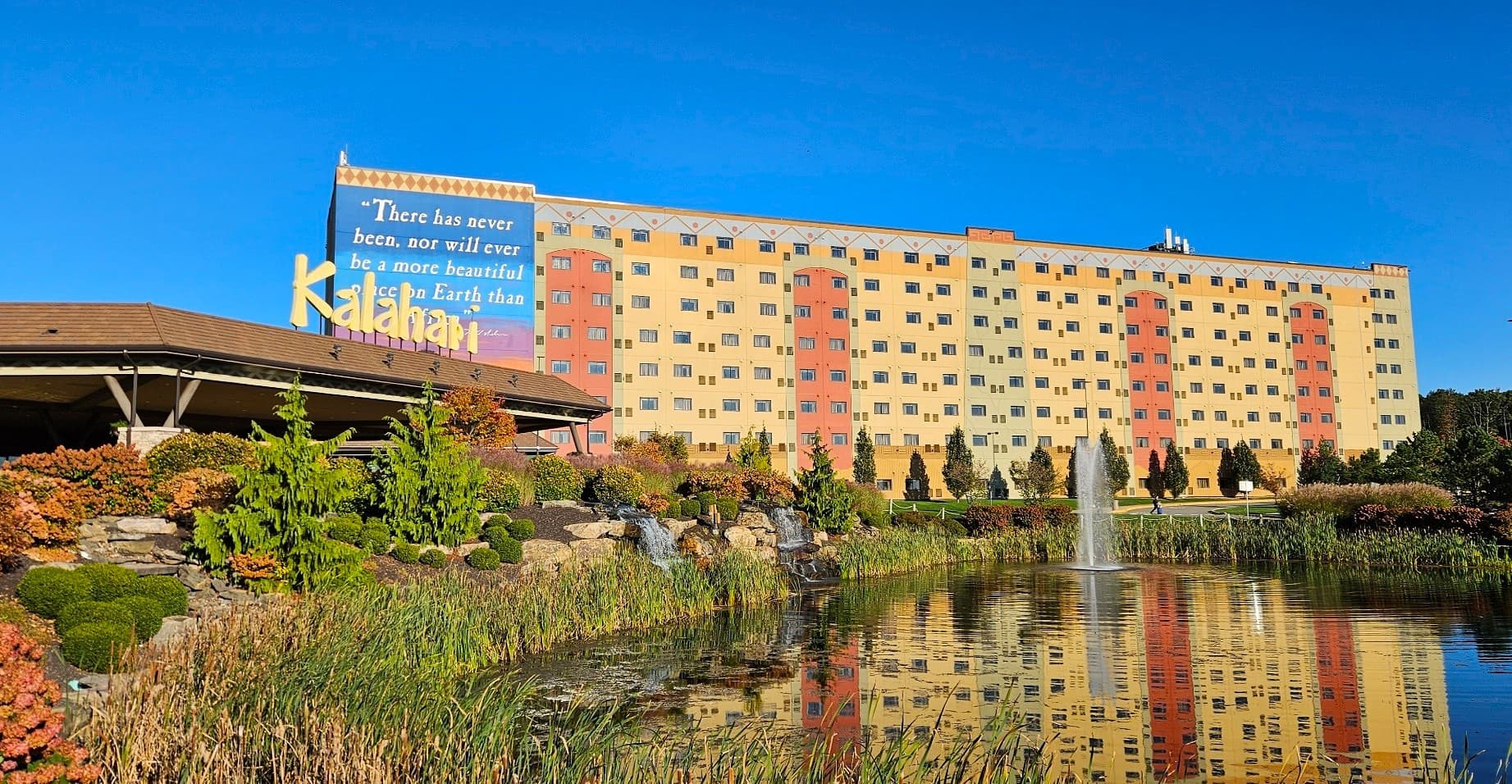
This year, the conference visited the Kalahari Resort up in the Poconos Mountains, Pennsylvania; a family and convention resort themed around wildlife and Africa, and a gigantic waterpark for the kids (and adults!). Despite only being three hours away, it was an easy 20°F cooler than our offices and frosty every morning!
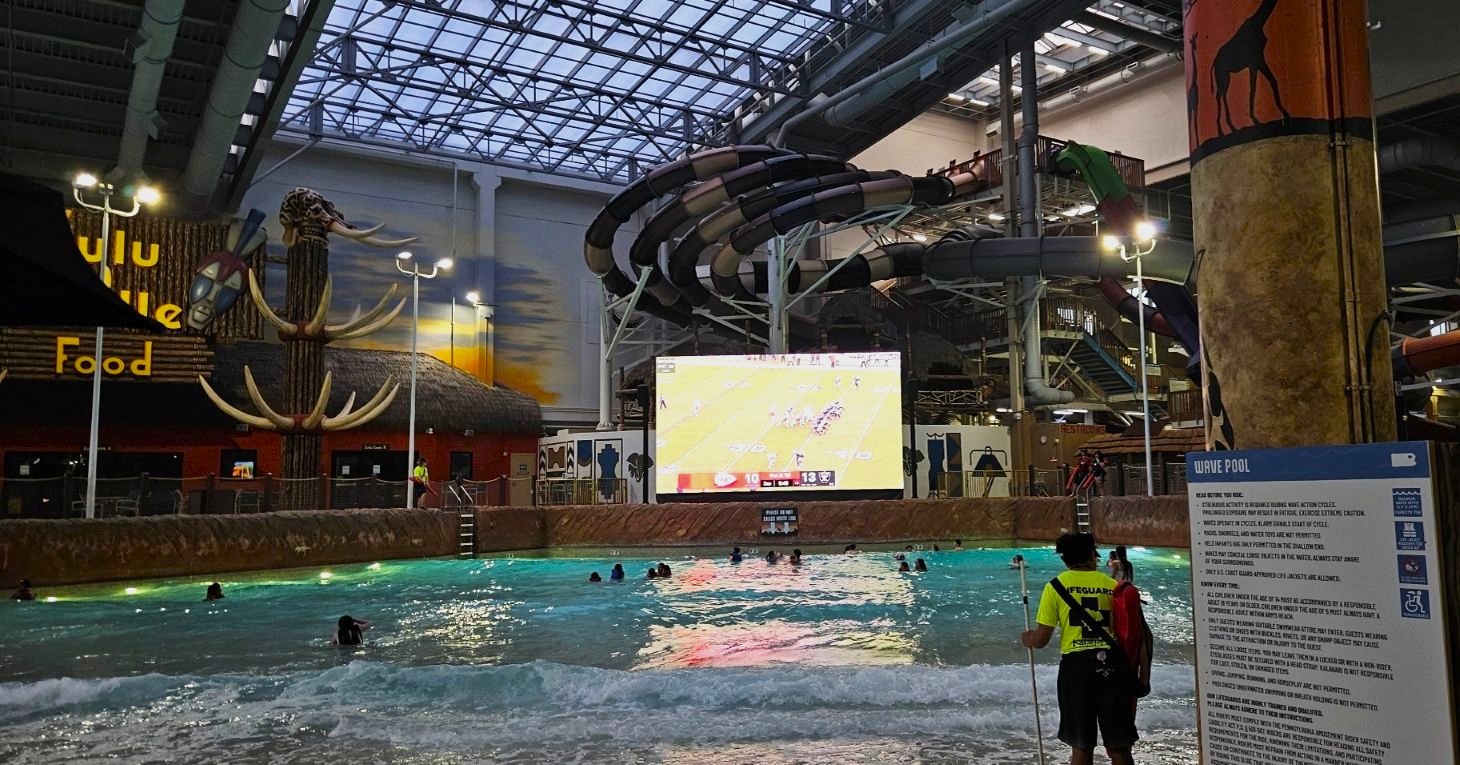
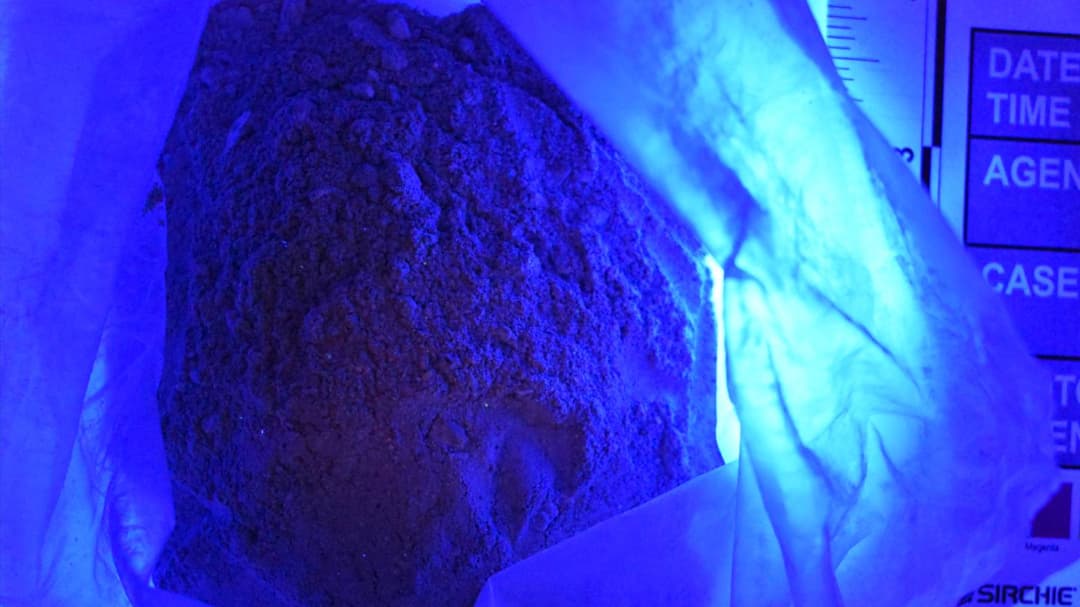
Of course, we’re here for science and not just the lazy river. This week features two full days of excellent workshops ranging from the tiniest of trace evidence up to the big debates on ethics and law, and all kinds of entomological and DNA evidence between. Here at AFI though, we’re driven to contribute and share our work with the world and how we can improve animal investigations. Our own Dr Rhys Williams was busy throughout the week, first off delivering a podium presentation about training forensic science students whilst navigating technology and education landscapes of today (yes, it did feature AI). We also supported undergraduate student Melody Gokce and their supervisor Dr Kelly Elkins from Towson University in their poster presentations on analyzing suspect sediments and substrates, which received so much interest from attendees exploring the vendors and posters reception.
After these session, Dr Williams presented another podium about his work on fraudulent pet cremations and the urgency for improving the forensic analysis of animal crime. This was a very timely talk to support the keynote presentations The Wild Side of Forensics, delivered by the Society for Wildlife Forensic Science. By the end of the week, it was made so clear to the audience of several hundred forensic attendees just how far reaching – yet neglected - animal and wildlife forensic science is.
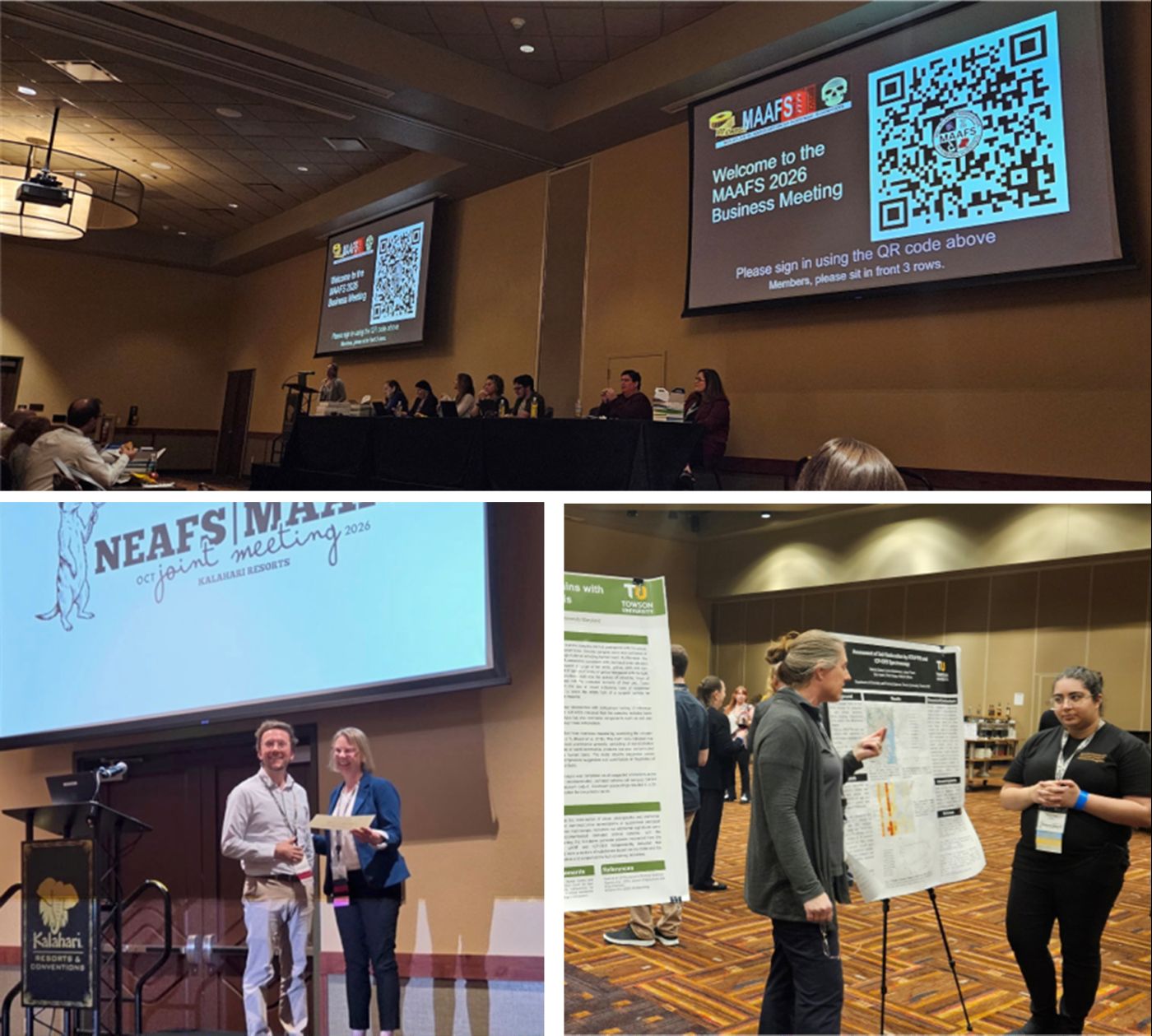
To wrap the week off, we have exciting news from the conference. Not only was Dr Williams awarded the inaugural Robyn Quinn Memorial Award, which honors the legacy of Robyn Quinn and her unwavering dedication to MAAFS and forensic science, but he was also voted as the Physical Evidence Chair Elect! He’s so excited to serve the committee and physical evidence at MAAFS for many years to come. We’re glad to have him with us at the Animal Forensics Institute!
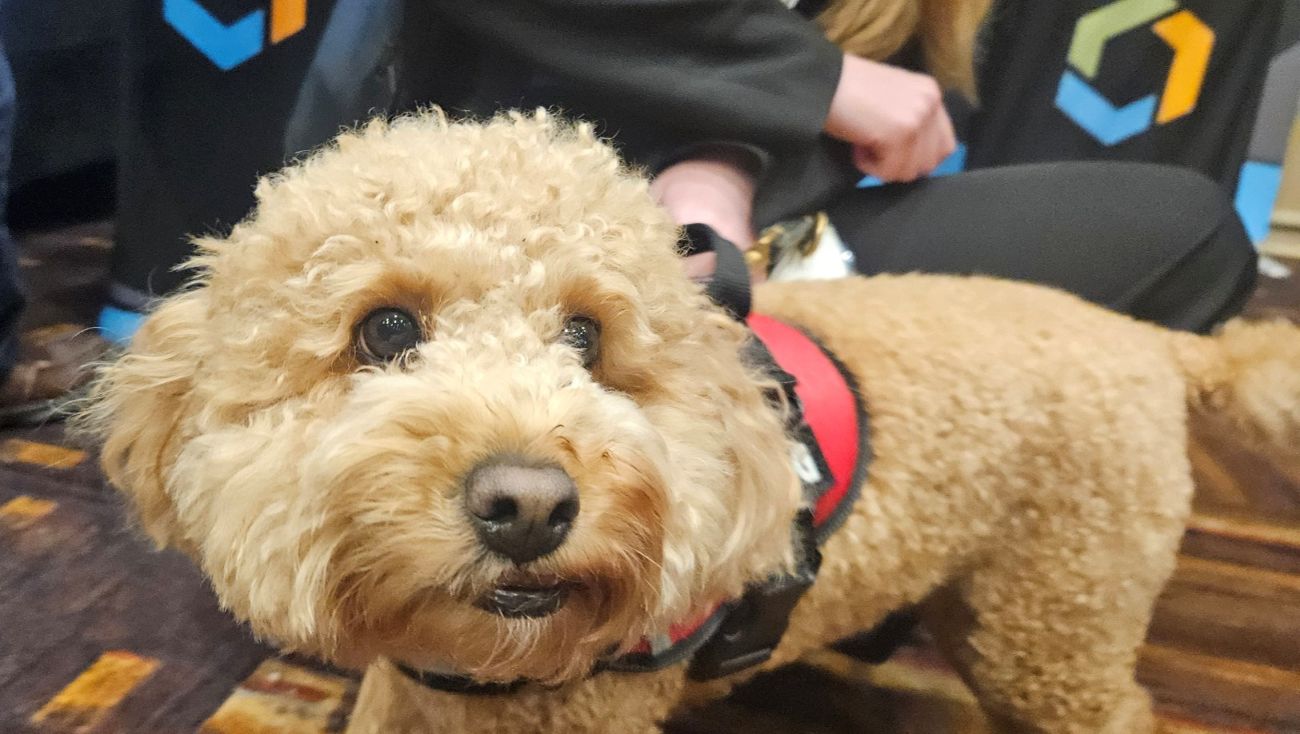
We want to thank the NEAFS and MAAFS organizing committees for a wonderful conference, and the Kalahari Resort for hosting us and allowing our waterpark takeover. We totally recommend visiting, even if just for the cheesecake (there’s a few options and they’re all excellent). We’re so looking forward to the next MAAFS conference in Baltimore, May 25-28th 2027! And finally, we have to share Nugget, the best-dressed and well-behaved attendee at the conference, got all the pets (with permission). Until next time!
Frequently Asked Questions
I have a question about your talk but didn't get a chance!
What was the highlight of the conference?
About the Author
Rhys Williams
Assistant Professor in Forensic Science
Dr. Williams is a biological anthropologist at Loyola University Maryland, where he specializes in digital imaging and soil analysis within bioarchaeology and forensic anthropology. His research has grown to focus on the digitized analysis of discrete forensic evidence, soil profiling for burial site interpretation, and scholarly public engagement. Dr. Williams is currently developing new methods for the visualization and identification of animal evidence for rapid scene testing for the Animal Forensics Institute.
Comments
Be the first to comment.
Leave a comment
Your email won’t be published. All comments are reviewed before they appear.