Delivering Insect Evidence Kits
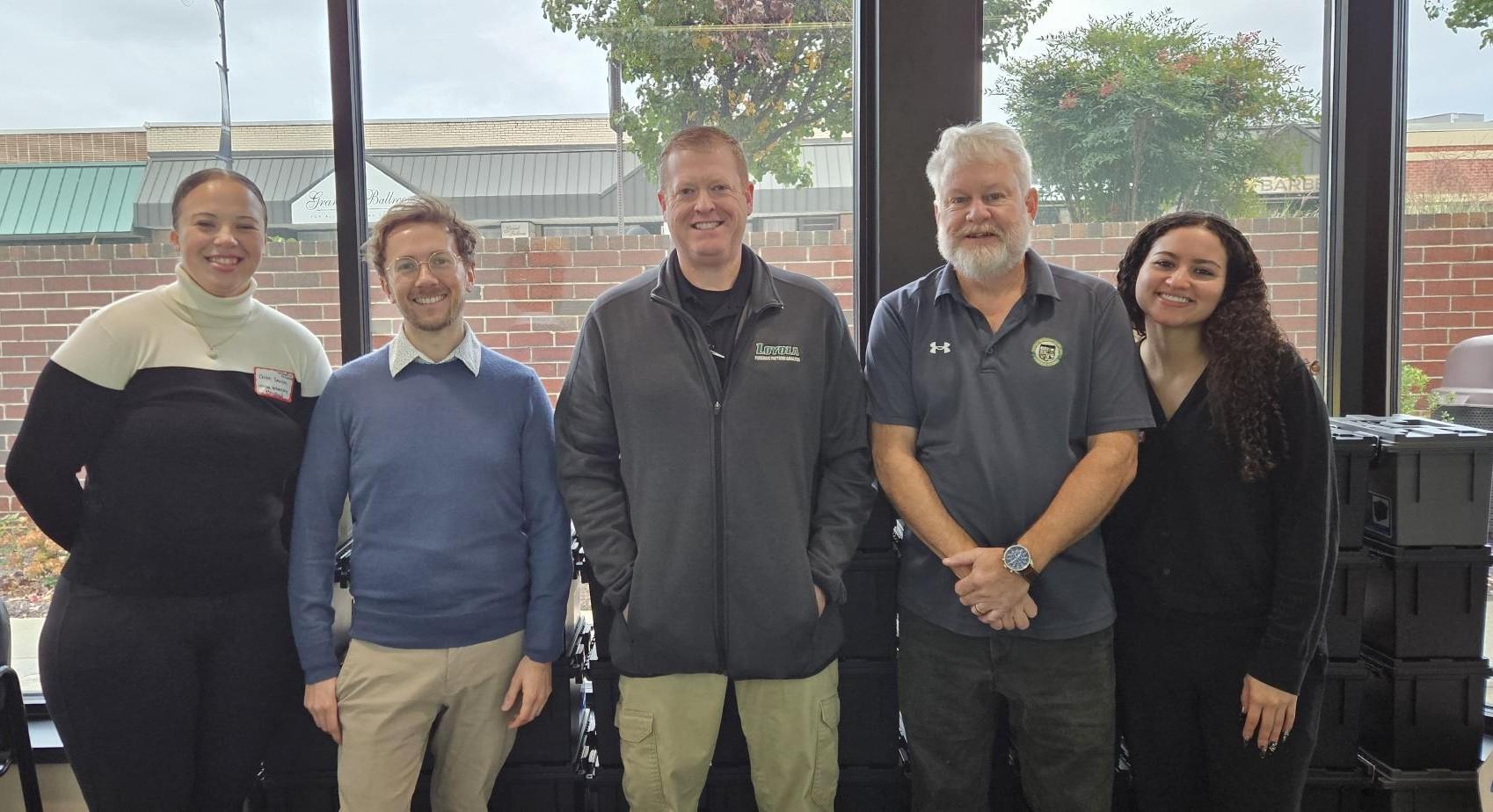
Last week, we attended the Animal Abuse Leadership Summit to deliver our entomological evidence collection kits, made possible thanks to the generous support of Show Your Soft Side, a nonprofit and volunteer-led public service campaign into animal rescue. We brought half the stockpile of 120 kits for the 20 different animal agencies across Maryland, with the rest left over for upcoming events. During the summit, we also shared the mission and goals of the Animal Forensics Institute directly to those in need; the animal control agencies, prosecutors, and crime scene attendees directly in charge of delivering forensic investigations of animal crime.
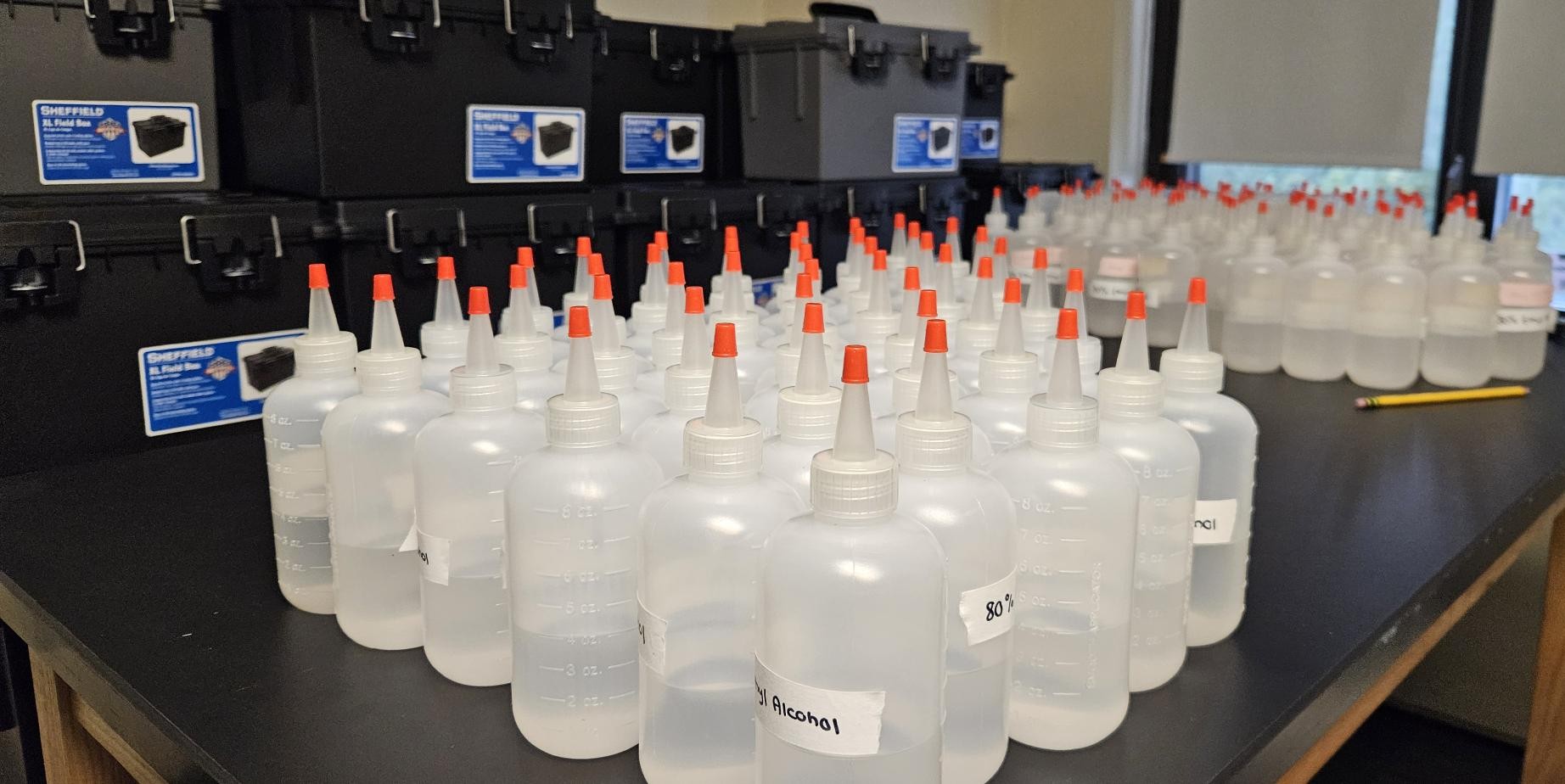
The Animal Forensics Institute is dedicated to closing the critical gap in forensic-grade standards of animal crime investigations. Along with the evidence collection kits, we also gave a presentation covering the institute, some success stories and investigations we previously completed alongside several members of the audience, how the kits are used, and open invitations for any requests and partnerships of the audience. We want to actively address and support animal crime investigators with their actual needs, whether routine or unusual case circumstances.
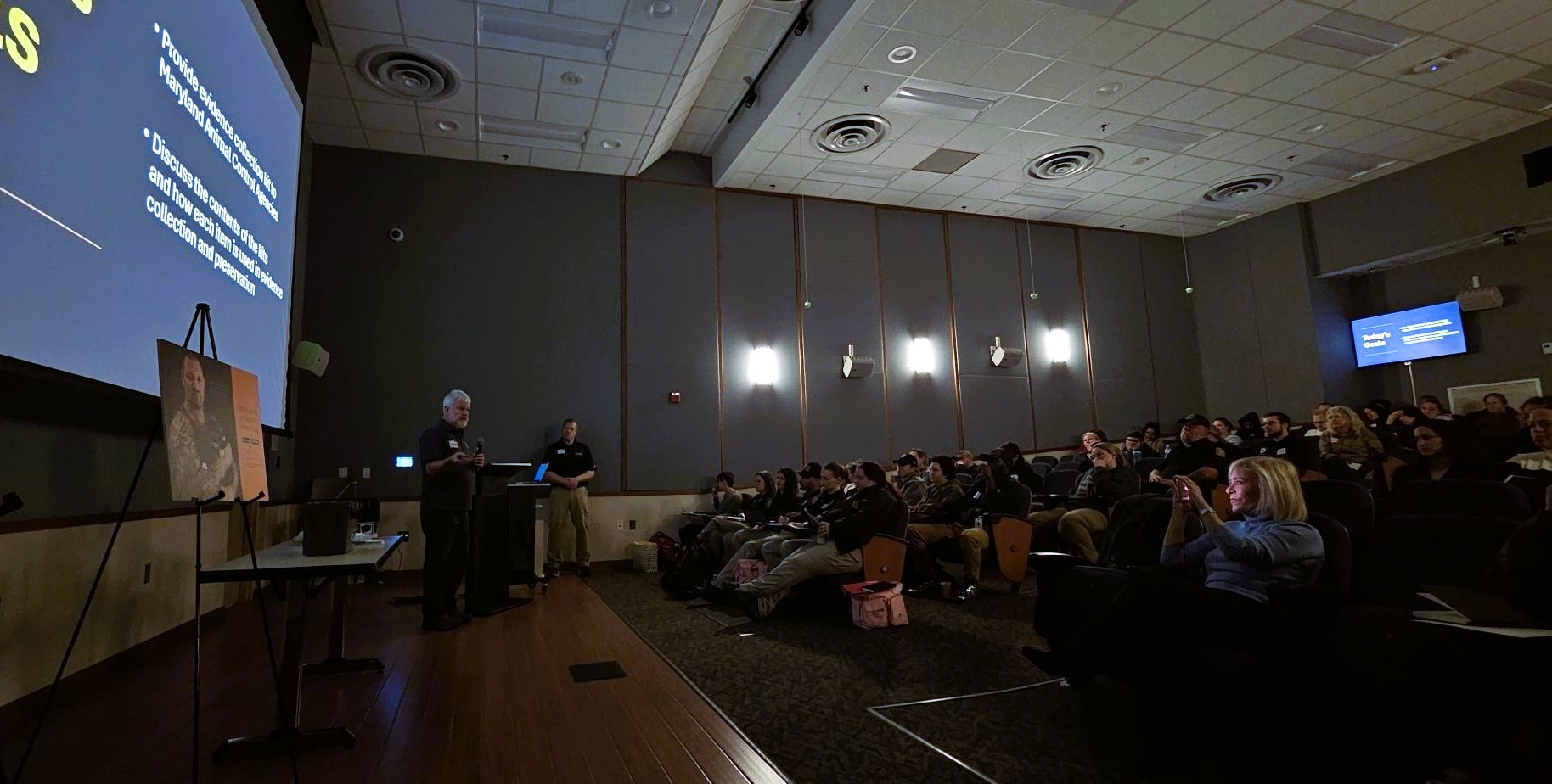
Our talk was exceptionally timely with other sessions of the day, such as Miles Hughes from Baltimore City Animal Control covering animal law, the impact of forensic evidence in the fraudulent pet cremation case we previously supported, and seizing animals from hoarders and exploiters alongside critical forensic integrity. Dr Teresa Southard from Virginia Tech also gave some invaluable insight into the necropsy process, and the rates of natural versus unnatural animal deaths followed by courtroom statistics. This was supported excellently by their research into bone strength in dogs, based on a difficult forensic case where contested statements over whether an individual defensively kicked a dog away from them or if they kicked the dog with enough force to expel it over the telephone wires and induce multiple fractures and organ hemorrhaging. The verdict was overturned because at the time, there was insufficient research or knowledge to demonstrate the latter. This is right where the research initiatives of the Animal Forensics Institute could assist animal crime investigation teams now and in future, and our contact form is fully open to any requests or collaborations!
“The work that the Animal Forensics Institute is doing at Loyola is a game changer.”
Finally, Debra Dial of the national Aquarium discussed the role of first responders and focused on the legality and illegality of owning endangered or exotic animal species, highlighting the gap in evidential and legal measures for animal forensics of exotic animals; including sloths!
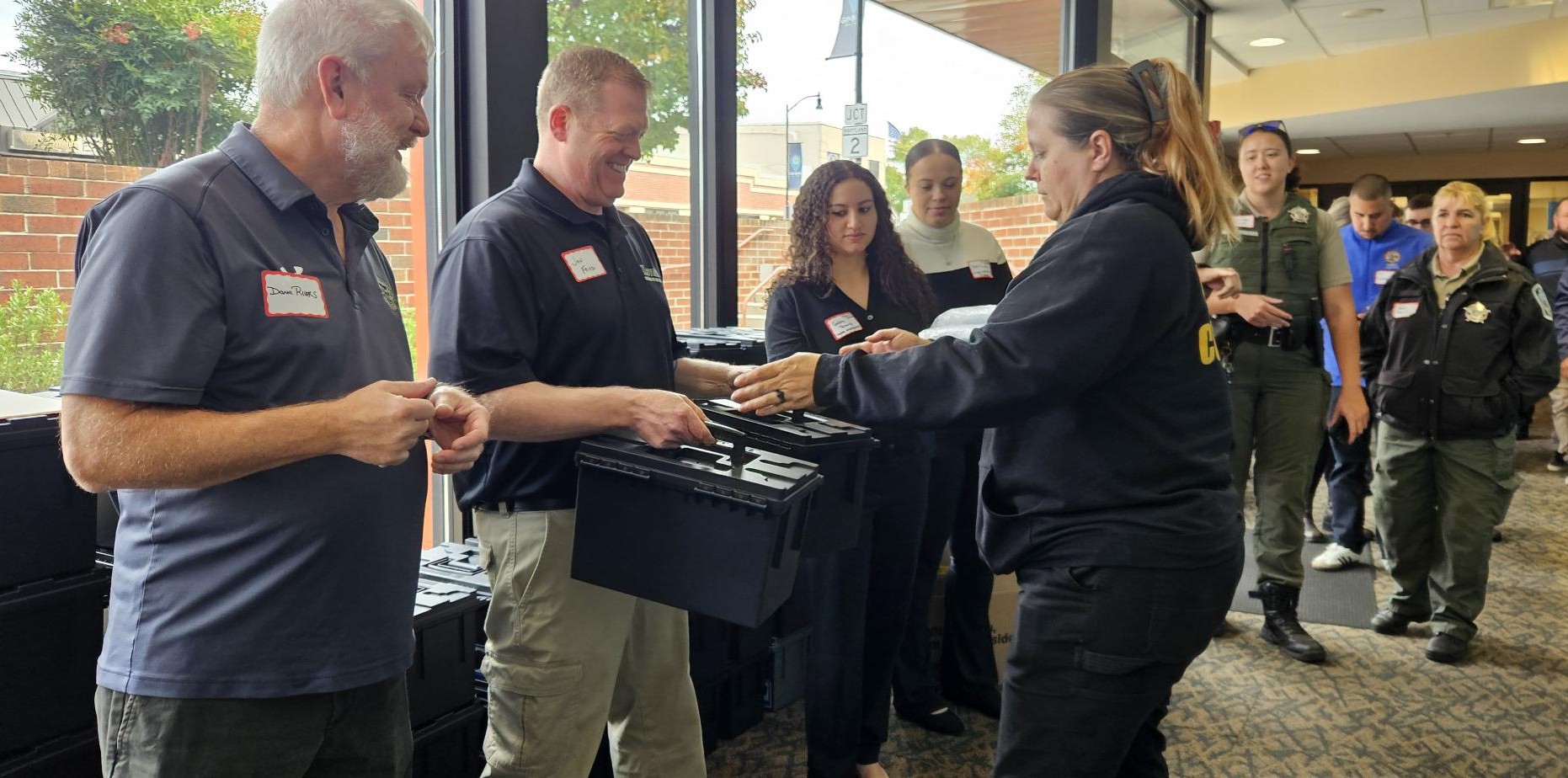
This summit demonstrated the potential value of the Animal Forensics Institute for animal crime investigation teams, whether it’s with training on scene management, processing and imaging, or for developing existing methods with application to exotic animals and pets typically omitted from investigation and law. We still have extra evidence kits to giveaway, which we’re bringing to workshops requested by the attendees and other agencies across Maryland. We aim to hold these in East and West Maryland to help alleviate travel concerns for those further away, so get in touch and look out for further information!
- AFI
Frequently Asked Questions
I was at the summit. Could I get another kit or consumables?
Could you do further training on using the kits?
Could you provide training or research on something else?
About the Author

Rhys Williams
Assistant Professor in Forensic Science
Dr. Williams is a biological anthropologist at Loyola University Maryland, where he specializes in digital imaging and soil analysis within bioarchaeology and forensic anthropology. His research has grown to focus on the digitized analysis of discrete forensic evidence, soil profiling for burial site interpretation, and scholarly public engagement. Dr. Williams is currently developing new methods for the visualization and identification of animal evidence for rapid scene testing for the Animal Forensics Institute.
Comments
Be the first to comment.
Leave a comment
Your email won’t be published. All comments are reviewed before they appear.